Understanding the Role of Leadership in Business Success
Leadership plays a quintessential role in the success and longevity of any business. At its core, effective leadership transcends simple management; it shapes the company culture and steers the strategic vision. In today’s competitive landscape, the need for adept leaders who can adapt to changing circumstances is more pronounced than ever.
Leaders are expected to cultivate a positive organizational culture that promotes collaboration and innovation. A strong leadership team creates an environment where employees feel valued and empowered, thereby enhancing employee engagement. When team members are engaged, productivity tends to increase, which, in turn, positively impacts overall organizational performance. This interdependence between leadership quality and employee morale cannot be overstated; it is a pivotal factor in achieving long-term business success.
Moreover, as businesses navigate the complexities of modern challenges, effective leaders must communicate a clear strategic vision. This vision acts as a guiding light, aligning employees’ efforts with the overall objectives of the organization. Leaders who articulate their expectations and foster an awareness of the strategic direction not only enhance commitment among team members but also enable the business to remain agile in the face of impending challenges.
In light of the rapid shifts in technology, market dynamics, and societal expectations, the role of leadership is evolving. Today’s leaders are called upon to foster adaptability and resilience within their teams. By actively promoting an open exchange of ideas and encouraging employees to participate in decision-making processes, leaders can inspire innovation and drive organizational success.

Key Leadership Skills Needed in 2026
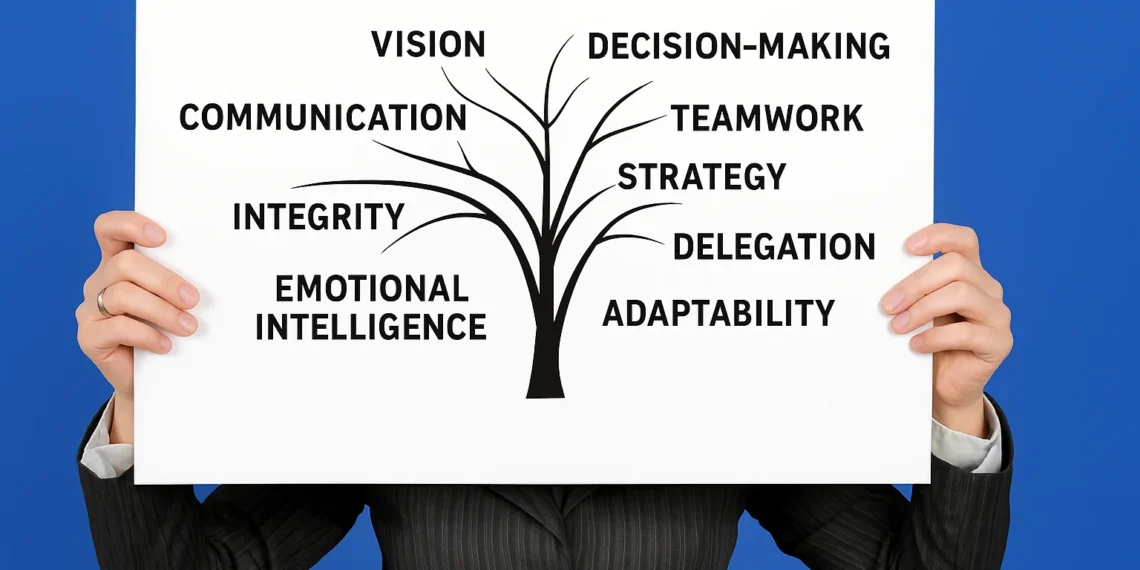
As we look toward 2026, the landscape of business leadership is evolving alongside technological advancements and shifting workforce dynamics. Leaders in this era will need to harness a variety of key skills to effectively navigate these changes and drive organizational success. Among the most critical skills are emotional intelligence, adaptability, strategic foresight, and digital fluency.
Emotional intelligence ranks as one of the paramount leadership skills. This encompasses the ability to recognize and understand one’s own emotions as well as the emotions of others. Leaders with high emotional intelligence can foster strong relationships, cultivate team morale, and enhance collaboration within their organizations. By effectively managing interpersonal dynamics, they can respond to challenges with empathy and insight, which is essential in an increasingly diverse workplace.
Adaptability is another essential skill, particularly in times of rapid change. Leaders must remain agile, ready to pivot strategies or approaches in response to new information or market dynamics. This requires a mindset that embraces flexibility and continuous learning, enabling leaders to guide their teams through uncertainty and maintain forward momentum.
Strategic foresight is vital for effective leadership in 2026. This skill involves understanding complex systems and anticipating future trends that could impact the organization. Leaders equipped with strategic foresight are better prepared to make informed decisions and develop long-term strategies that align with overarching business goals, helping to ensure sustained growth and competitiveness.
Lastly, digital fluency has become indispensable in the modern workplace. Leaders must be adept at leveraging technology to optimize performance and improve operational efficiency. This includes not only understanding the latest digital tools and platforms but also embracing innovative approaches to enhance productivity and engagement within their teams.
Embracing Diversity and Inclusion in Leadership
Diversity and inclusion have emerged as pivotal elements in the realm of leadership, reflecting a substantial shift in paradigms surrounding effective management and organizational success. As businesses strive to thrive in increasingly competitive markets, adopting diverse leadership teams is not merely a trend, but a necessary strategy for fostering innovation and driving growth. By encompassing individuals from varied backgrounds, skills, and perspectives, organizations are better equipped to navigate complex challenges and capitalize on new opportunities.
Research has consistently shown that diverse teams enhance decision-making processes. Teams comprising individuals with different experiences can approach problems through multiple lenses, leading to improved creativity and innovative solutions. The infusion of different perspectives enables organizations to reflect broader customer demographics, facilitating better understanding and responsiveness to market needs. When leadership teams mirror the diversity of their clientele, they are able to make more informed decisions that resonate with a wider array of stakeholders.
Inclusive leadership that champions diversity is also crucial for cultivating a supportive work environment. When employees recognize that their unique contributions are valued, engagement and morale improve significantly. An inclusive culture fosters trust, collaboration, and open dialogue, which are essential for workplace productivity. Moreover, such environments attract top talent, particularly from historically underrepresented demographics, thus enhancing the overall performance and reputation of the organization.
As we move toward 2026, the necessity for inclusive leadership cannot be overstated. By prioritizing diversity and inclusion within their strategic frameworks, organizations position themselves to not only meet the demands of a changing workforce but also achieve broader business objectives that promote sustainable success.
Developing Future Leaders: Strategies for Organizations
As organizations strive to meet the challenges of the future, it is imperative to create a structured approach to developing future leaders. This involves implementing effective talent management practices that identify potential leaders early in their careers. Establishing robust pipelines for leadership talent can help organizations position themselves favorably in an ever-evolving marketplace. Regular assessments based on performance metrics can assist in recognizing employees who exhibit leadership potential and align with the organization’s strategic vision.
Another critical strategy is the integration of mentorship programs, where seasoned leaders mentor emerging talents. This transfer of knowledge and experience equips junior employees not only with practical skills but also with insights into the organizational culture and values. Structured mentorship protocols, where mentors and mentees have defined goals and outcomes, can significantly enhance the learning experience and empower future leaders. By promoting a cycle of learning, organizations can foster an environment where emerging leaders feel valued and supported.
Furthermore, leadership training initiatives should be tailored to address the specific skills required for success in 2026. Training programs that incorporate technology, emotional intelligence, strategic thinking, and adaptability are essential. Workshops, online courses, and collaborative projects can be utilized to create diverse learning experiences that challenge potential leaders and encourage the application of their skills in real-world scenarios. Organizations can emphasize the importance of continuous learning, creating a culture that encourages employees to pursue personal and professional growth throughout their careers.
In conclusion, by implementing comprehensive talent management practices, establishing mentorship programs, and offering targeted leadership training, organizations can effectively prepare the next generation of leaders. The focus on adaptability and continuous learning will ensure these leaders are equipped to navigate the complexities of the business landscape in 2026 and beyond.